GRAU MOBILE CONCRETE PLANTS
Setting up concrete production has never been so easy. Meet our line of reliable quick-erect Mobile Concrete Plants specifically designed for fast deployment and relocation between temporary construction sites.
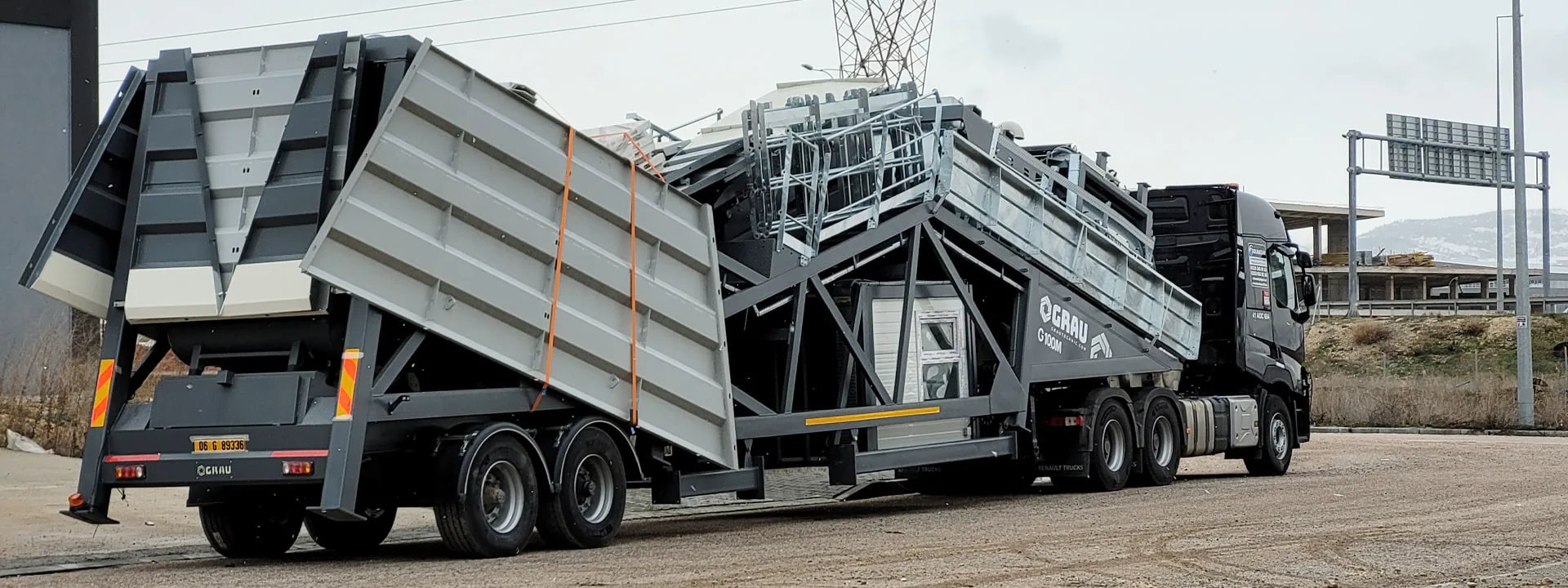
RELIABLE, HIGH-PERFORMANCE CONCRETE PRODUCTION ON THE MOVE
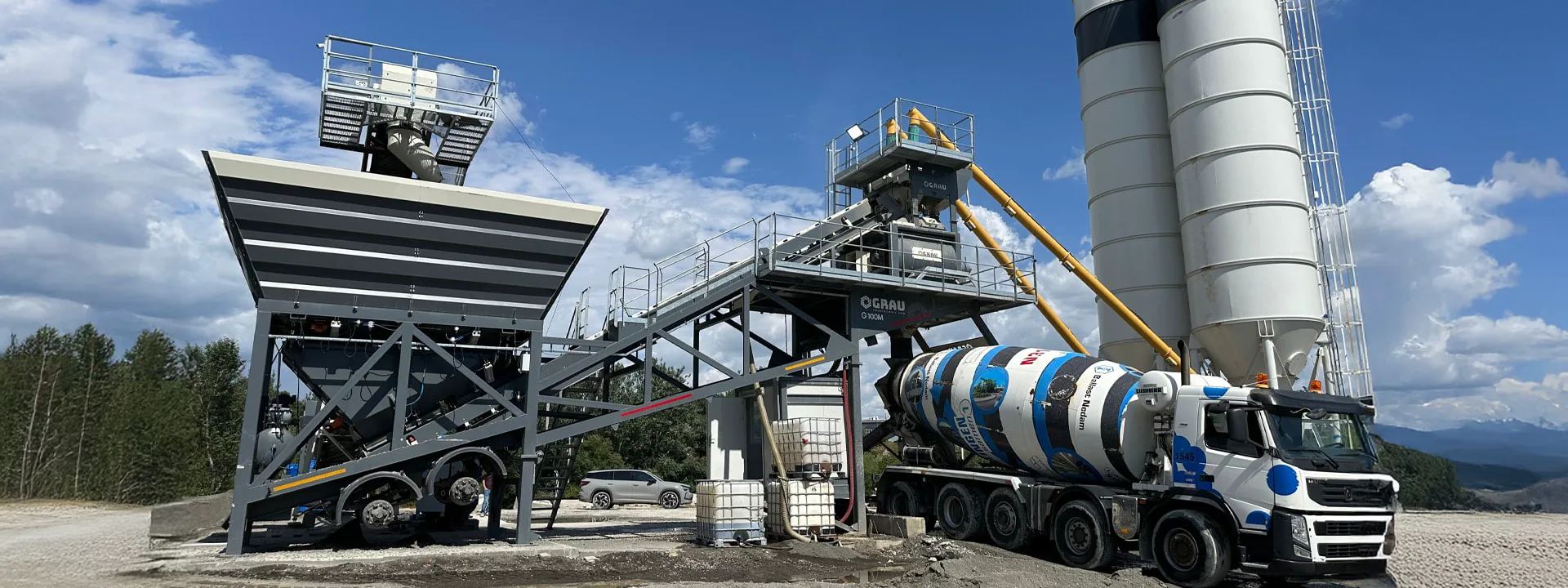
GRAU Mobile Concrete Batching Plants are engineered for fast, flexible, and efficient concrete production wherever it’s needed. Designed for rapid setup and relocation, our mobile concrete batch plants combine robust mobile steel frame on wheelbase with high-capacity production performance, making them ideal for temporary sites, remote locations, and projects with changing job sites.
Each model integrates all the essential components – aggregate storage, weighing systems, concrete mixer, cement silos, and control system – into a compact, transportable structure. This reduces installation time, minimises civil works, and allows companies to start production quickly. With precise batching accuracy, low maintenance requirements, and strong mobility features, GRAU Mobile Concrete Plants offer the same reliability and output as fixed plants, but with the added benefit of mobility.
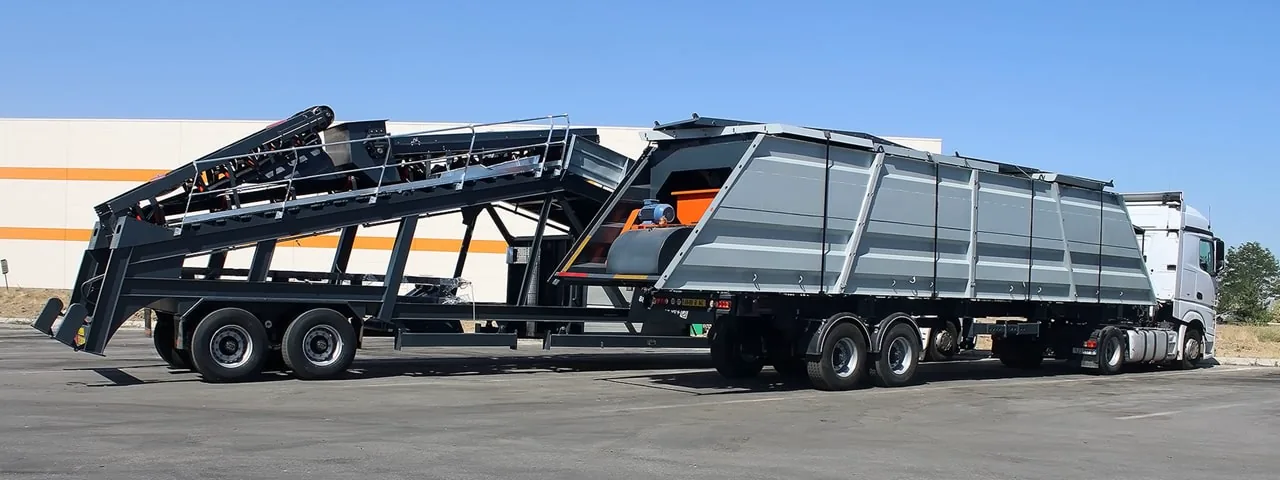
EASY TRANSPORT AND RELOCATION
Many companies prefer mobile concrete plant solutions for temporary construction sites as installing and relocating a concrete production facility after a project has been completed is not an easy job. Keeping that in mind, we have developed our quick-erect mobile concrete plant product line to make sure our customers get the necessary flexibility while saving a lot of time.
WHAT IS A MOBILE CONCRETE BATCHING PLANT?
A mobile concrete plant is a fully transportable concrete batching facility that combines aggregate storage, cement silos, conveyors, weighing systems, and a high-performance mixer into a compact, movable structure designed for fast setup and relocation. Unlike stationary concrete plants, a mobile concrete batch plant requires minimal foundations and civil works, allowing it to be installed directly on-site to produce fresh, high-quality concrete exactly where it is needed. This reduces transport costs, eliminates delivery delays, and ensures consistent concrete performance for projects such as roads, bridges, infrastructure works, and temporary construction sites. By offering the same accuracy, productivity, and automation as a fixed plant with the added benefit of mobility, a mobile concrete plant provides the most efficient and flexible solution for modern construction demands.
WHAT DOES A MOBILE CONCRETE PLANT CONSIST OF?
A typical mobile concrete batch plant includes:
- Main Chassis on Wheelbase
- Aggregate Bins for storing and feeding the aggregates.
- Aggregate Weigh Hopper to precisely batch aggregates according to the recipe.
- Aggregate Transfer Conveyor for material transfer from the aggregate weigh bin into the concrete mixer.
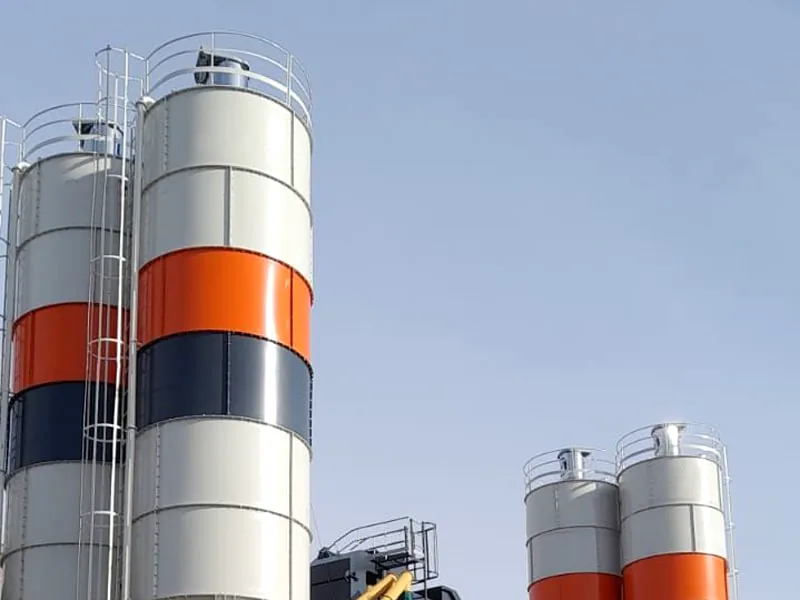
- Integrated Cement/Binder Silos for storing cement and other powders, complete with all silo equipment, safety systems and filters.
- Weighing Systems for cement, water, additives and other mix components to ensure precise batching.
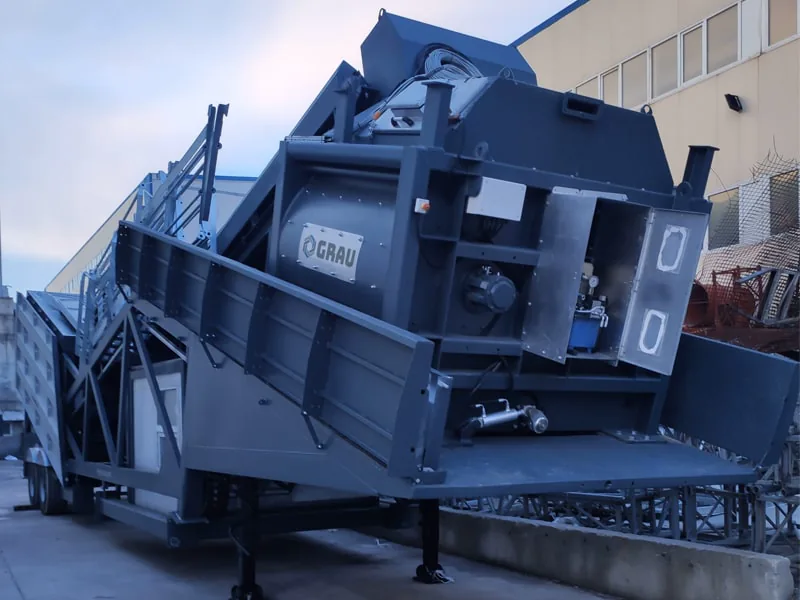
- Concrete Mixer (twin-shaft, single-shaft or planetary) for homogenous high-quality mixing.
- Control System for automated or manual operation of the plant.
- Service Platforms and Handrails for maintenance and servicing.
Why GRAU MOBILE CONCRETE PLANTS?
- UP TO 120 m³/h
- EASY TRANSPORT
- FAST INSTALLATION
Highlights
Move Your Plant in Days
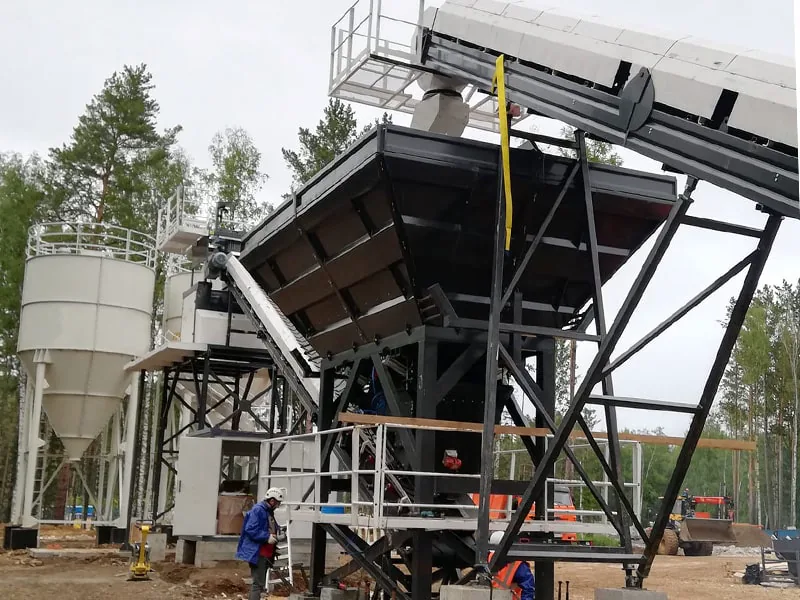
GRAU Mobile Concrete Plants will give you the flexibility you need. Our range allows you to disassemble, move the plant to a new site and set up concrete production in a matter of just a few days! We offer a unique design with folding aggregate bin walls and service platforms, which speed up the installation. All other components can be transported on the main chassis without the need for additional trucks.
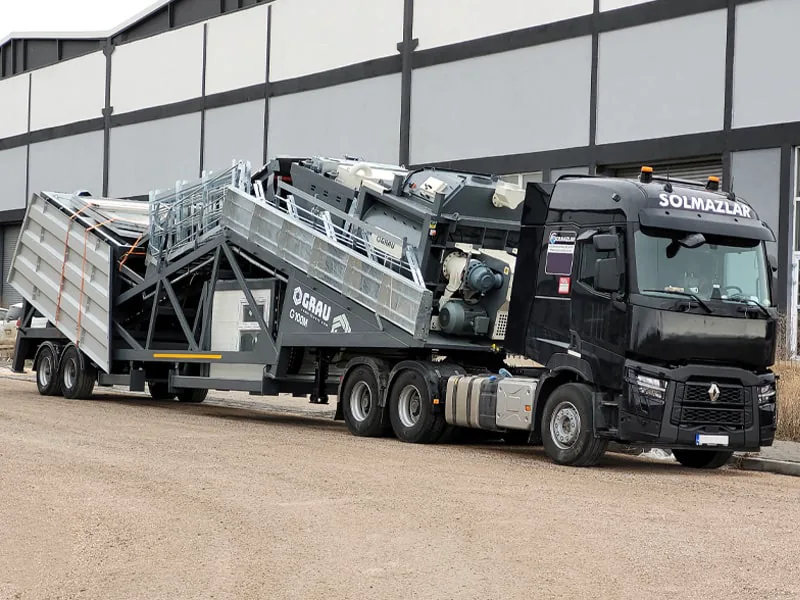
Service Friendly Main Frame
We collaborate closely with operators and fitters to enhance our products, ensuring that servicing is safe and hassle-free. The main frames on our mobile concrete plants are specifically designed for ease of maintenance. Wide service platforms and straightforward access to mixer components, greasing points, and drip trays is essential and well-designed.
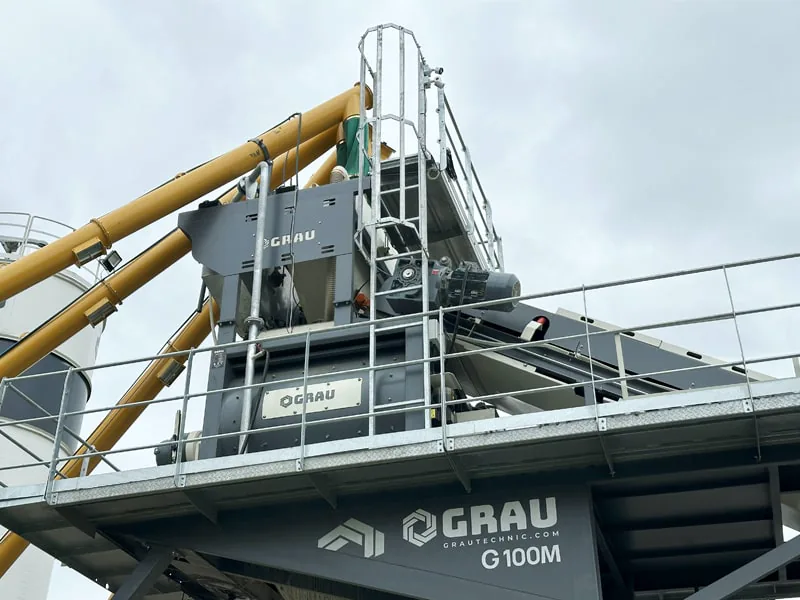
Robust Wheelbase
GRAU Mobile Concrete Plants can be transported many times during their lifetime. Our robust wheelbase can sustain multiple relocations on rough site terrain for many years ahead. The wheelbase is equipped with air brakes, that can be easily connected to the truck’s braking system, and ABS (Antilock Brake System) that prevents the wheels from locking during braking and skidding.
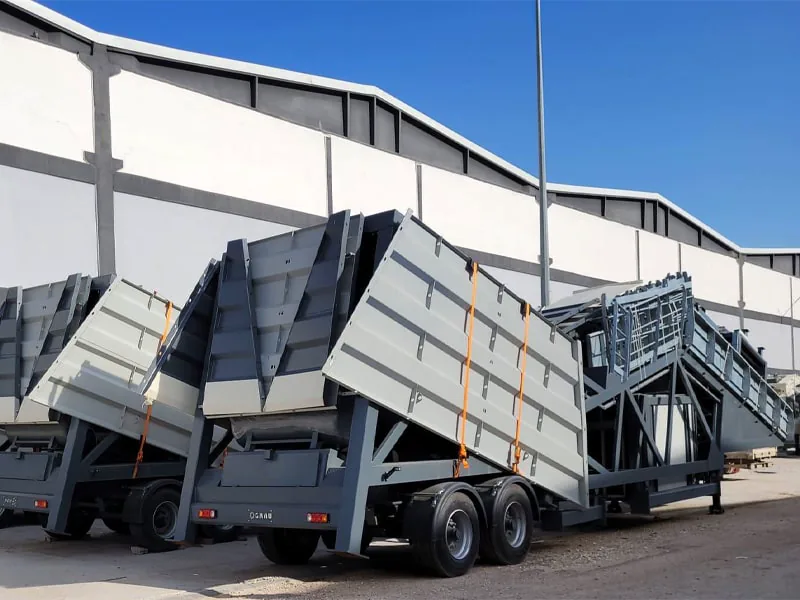
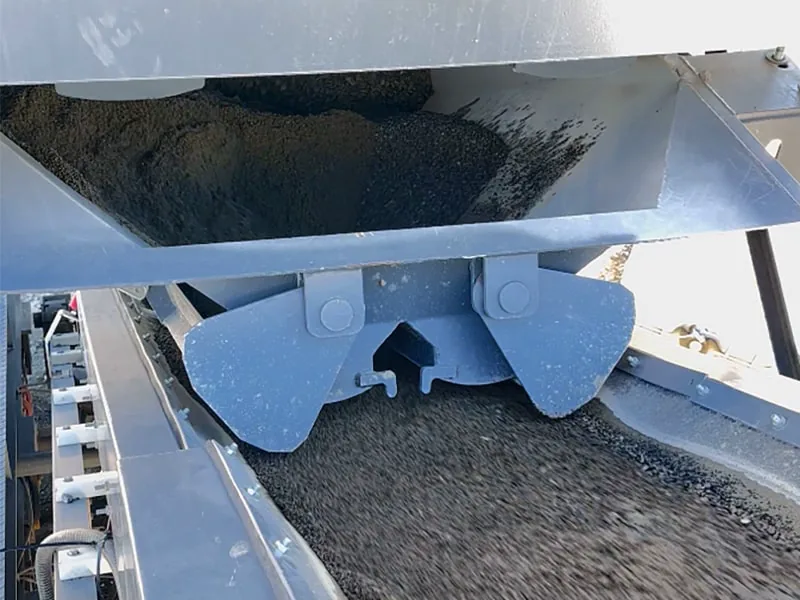
Unique Independent Weighing Hopper
The aggregate bins on GRAU Mobile Concrete Plants are equipped with an independent aggregate weigh hopper, while other manufacturers weigh on the transfer belt itself. This setup allows for the next batch to start while the material is still moving on the transfer belt conveyor into the mixer. It results in higher production capacity and lower power consumption because transfer belt doesn’t start up with material on it. It is especially important when the plant is running on generator.
Mini Mobile Solutions
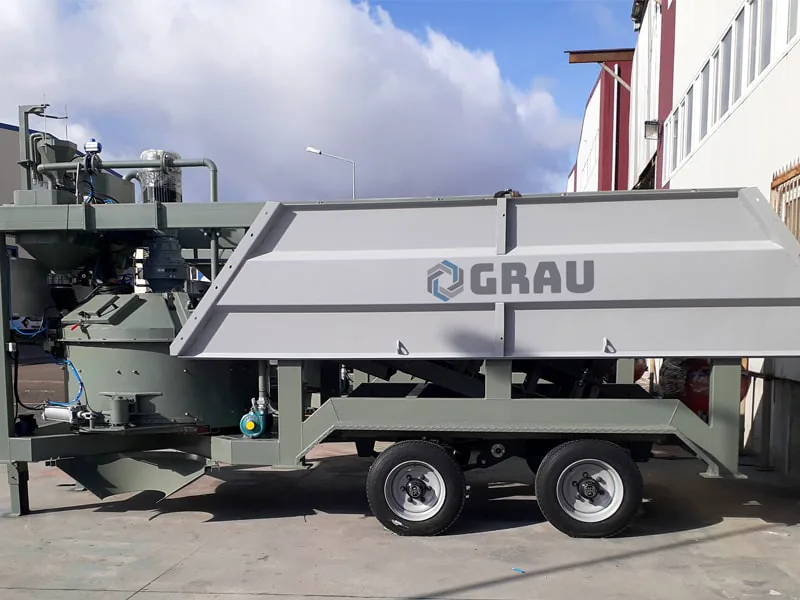
Some projects require very low amounts of concrete and yet it is not easy to deliver concrete from other suppliers. We offer a cost-effective solution for such requirements. Discover our mini mobile solutions for on-site concrete production. Mini does not mean small and with up to 1 m³ capacity concrete mixers, these little machines can reach significant practical capacity of up to 45 m³/h.
MODELS & SPECS
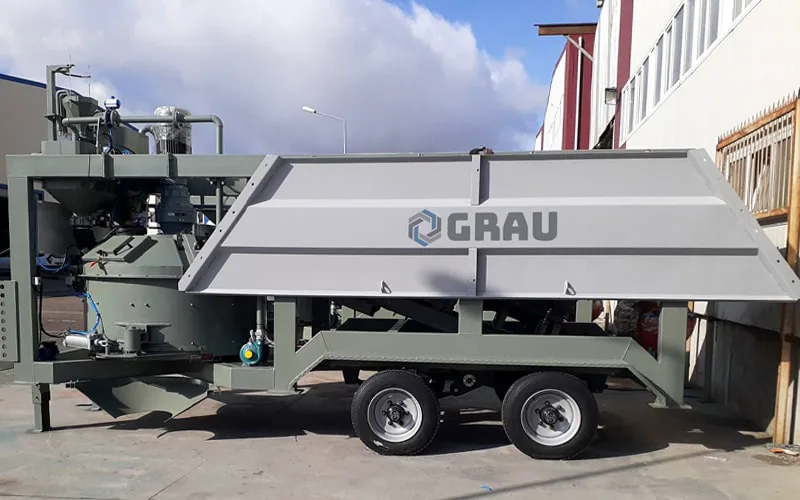
Mini Mobile - G30M
- Small Footprint
- 30-45 m3/h
- On-Site
- Optional Concrete Belt
- Economical
- Towable Trailer
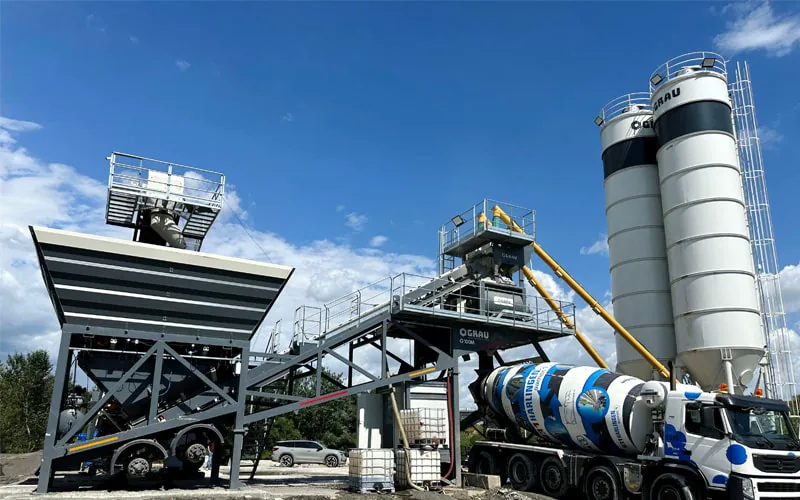
G60M/G100M
- Small Footprint
- 60-100 m³/h
- Optional Feeding System
- On-Site
- High Capacity
- High Performance
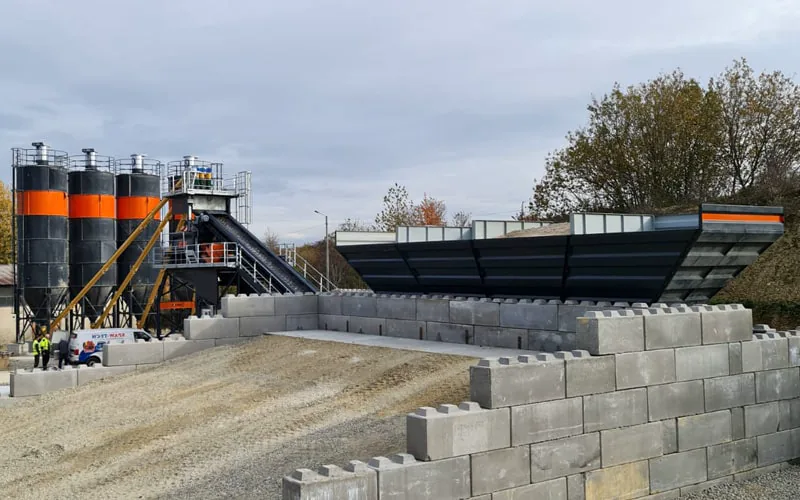
Pro Mobile - G120M
- Larger Footprint
- 100-120 m³/h
- Separate Aggregate Bins
- High Capacity
- High Performance
- Mass Production
SPECIFICATION
| TECHNICAL SPECIFICATION | G30M | G60M | G100M | G120M |
|---|---|---|---|---|
| Theoretical Output Compacted Mixed Concrete | 30 m³/h | 60 m³/h | 100 m³/h | 120 m³/h |
| Mixer Type | Planetary, Singleshaft | Single/Twin Shaft, Planetary | Twinshaft | Twinshaft |
| Mixer Capacity | 0.5 m³ | 1.0 m³ | 2.0 m³ | 3.0 m³ |
| Cement Weighing Bin | 300 kg | 600 kg | 1000 kg | 1500 kg |
| Water Weighing Bin | 300 kg | 300 kg | 750 kg | 750 kg |
| Additive Weighing Win | 20 kg | 20 kg | 20-50 kg | 20-50 kg |
| Maximum number of aggregate bins | 4 | 4 | 4-6 | 4-6 |
| Maximum capacity of each aggregate bin | 6 m³ | 10 m³ | 15 m³ | 30 m³ |
| Total capacity of the aggregate bins | 16 m³ | 40 m³ | 60 m³ | 120 m³ |
| Total Power | 47 kW | 65 kW | 105-110 kW | 195-200 kW |
PRODUCT HIGHLIGHTS AND TIPS
1. Define Your Required Capacity
Start by determining how much concrete you need to produce per hour. As a rule of thumb, the plant capacity needs to be higher than your average calculated required capacity. This is due to occasional spikes where you would need to deliver large amounts of concrete quickly, like loading all the mixers before traffic hits or when you pour foundations. There can always be delays caused by traffic, on-site truck mixer movement or weather.
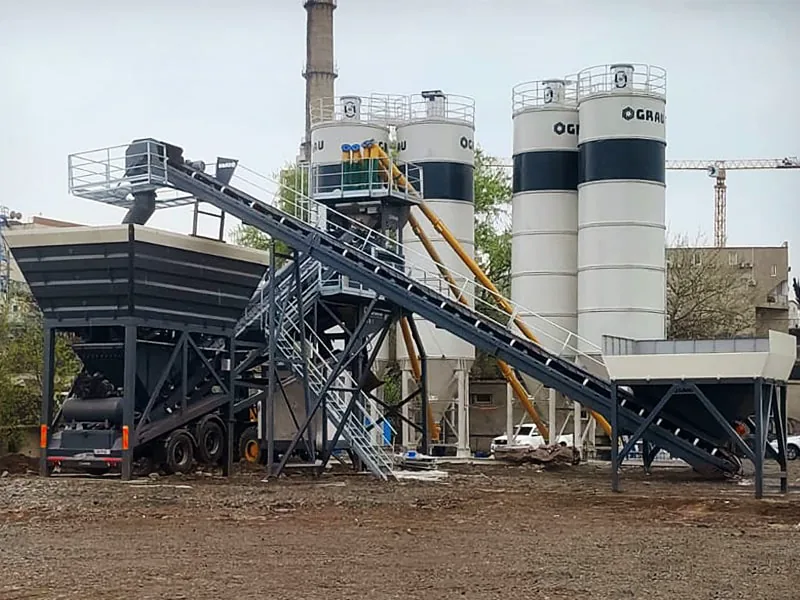
2. Consider Mobility and Setup Time
If your projects require frequent relocation, prioritise a model with a compact design, folding components, and quick setup features. Not all mobile concrete plants are built the same and some might require a lot of work with running the cables or installing the weight hoppers. A plant that can be installed and started within days saves valuable time between jobs.
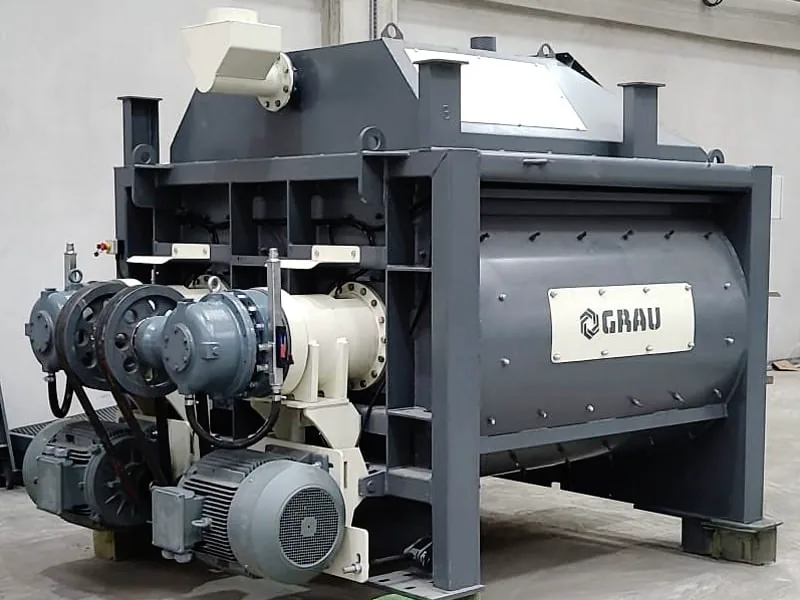
3. Evaluate Mixer Type and Performance
Select the right mixer based on your concrete requirements. Twin-shaft mixers are the best choice for high-output and consistent mixes, while planetary mixers suit smaller batches or specialised concretes where uniformity is key. Single shaft mixers, on the other hand, provide very high plasticity in certain mixes and are generally preferred in lower capacity setups.
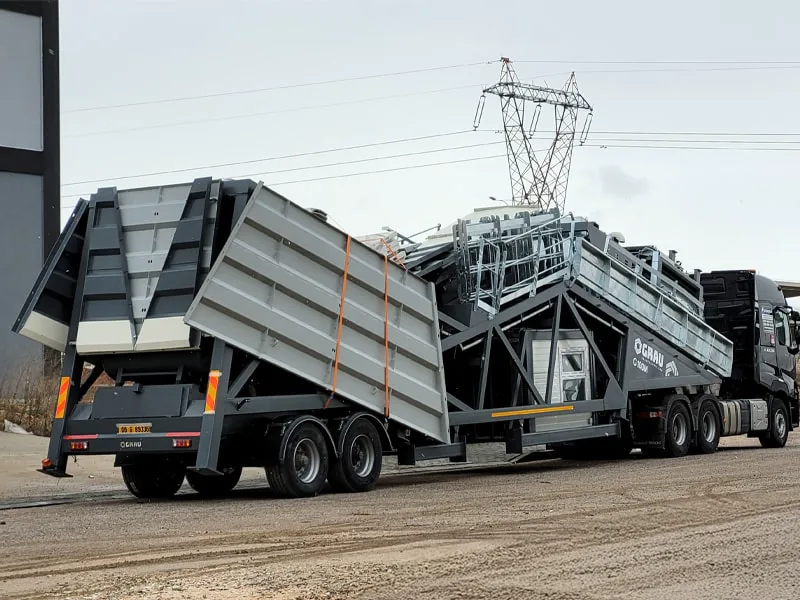
4. Check Transport and Logistics Requirements
Ensure the entire plant – including bins, silos, weigh hoppers and conveyors – can be moved efficiently with standard trailers or trucks. A design that allows to transport all the main components and screw conveyors of the plant’s chassis reduces transport costs and simplifies site transfers as sometimes silos don’t need to be moved. Many mobile concrete plants require additional transport as their steel frames are not heavy enough to carry everything on them during transport.
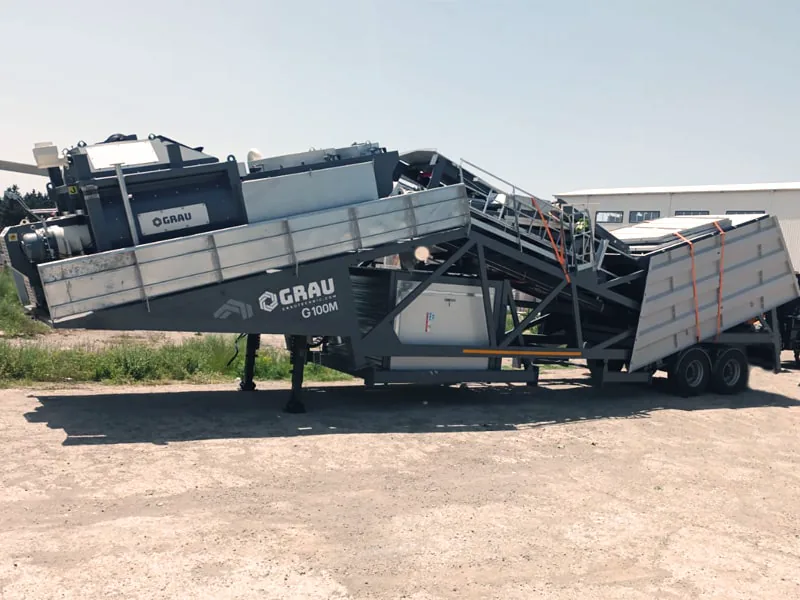
5. Assess Build Quality and After-Sales Support
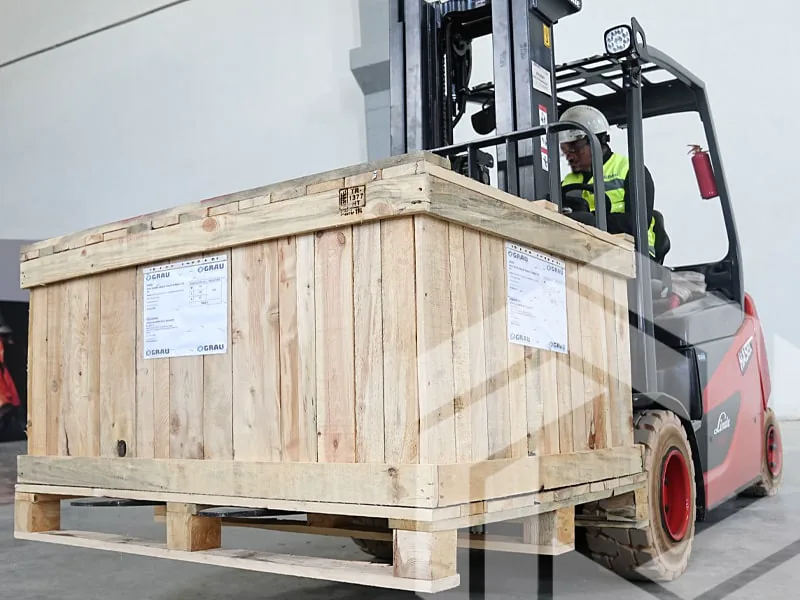
Inspect the plant’s structural strength, galvanised components, and protective coatings for durability. Equally important is the availability of spare parts, technical support, and service assistance to keep production running smoothly. Question the technical documentation and the ability to identify the necessary parts easily.
Features, Options & Operation Tips
Maintenance Tips: Perform Daily Inspections
Before each production shift, check all key components – mixer, conveyors, belts, aggregate bins, and cement silos – for wear, leaks, or blockages. Identifying small issues early helps prevent costly downtime later.
Maintenance Tips: Keep the Mixer Clean
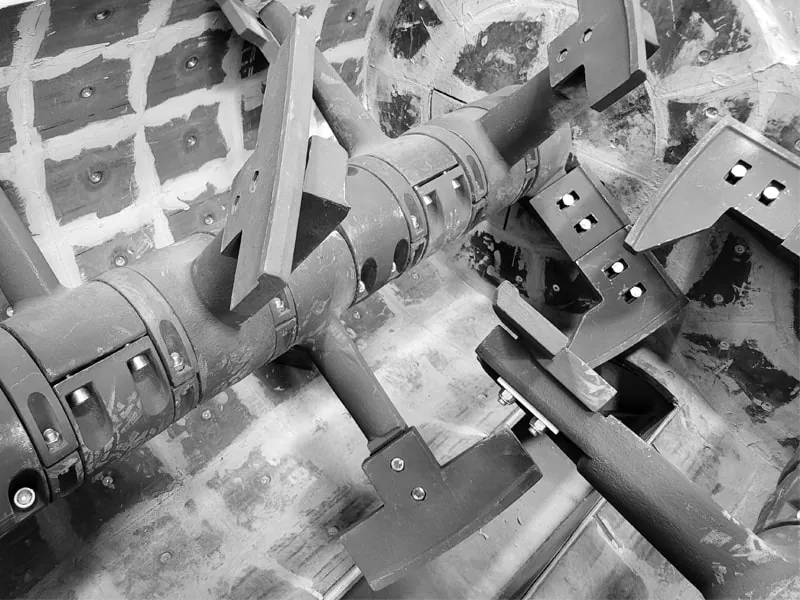
Thoroughly clean the mixer drum and shafts at the end of each workday or if the plant stops briefly and will not be producing concrete for over 30 minutes. Simply add some coarse aggregates and water and mix it for a few minutes to clean the shafts and the body and use a manual jet wash to clean the rest. Consider installing an automatic mixer washout system. Hardened concrete buildup can affect mixing quality, reduce capacity, and increase load on the components.
Maintenance Tips: Check Calibrations Regularly
Regularly verify the accuracy of all weighing systems for aggregates, cement, water, and additives. Correct calibration ensures consistent concrete quality and prevents mix design deviations. Remember that readings can drift slightly with significant temperature changes – for example, when conditions shift from very hot to near freezing – so recalibration may be necessary after major weather fluctuations.
Maintenance Tip: Lubricate Moving Parts as Recommended
Follow the manufacturer’s lubrication schedule for bearings, shafts, and other moving parts. Proper lubrication reduces friction, prevents premature wear, and ensures smooth operation. Twinshaft concrete mixers have additional manual greasing points as automatic lubrication system are generally used to create pressure inside the labyrinth seals to keep concrete away.
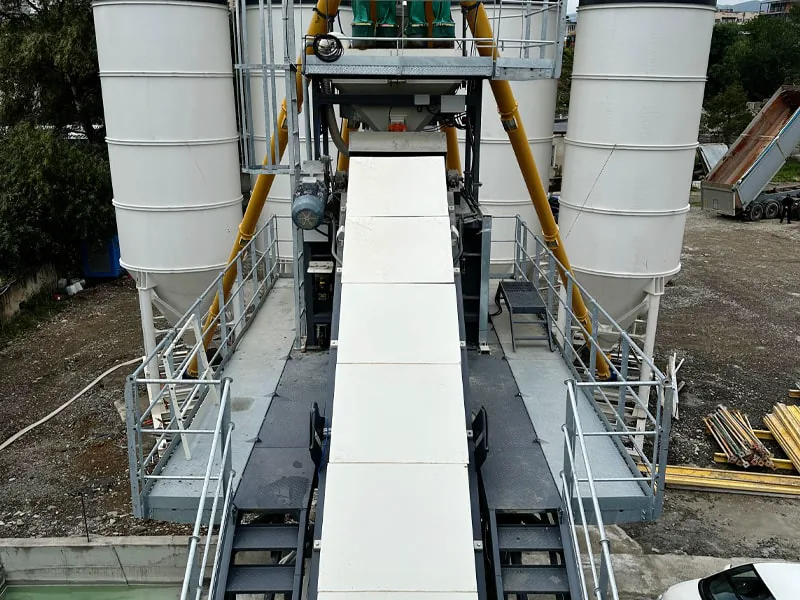
Easy to Service and Maintain
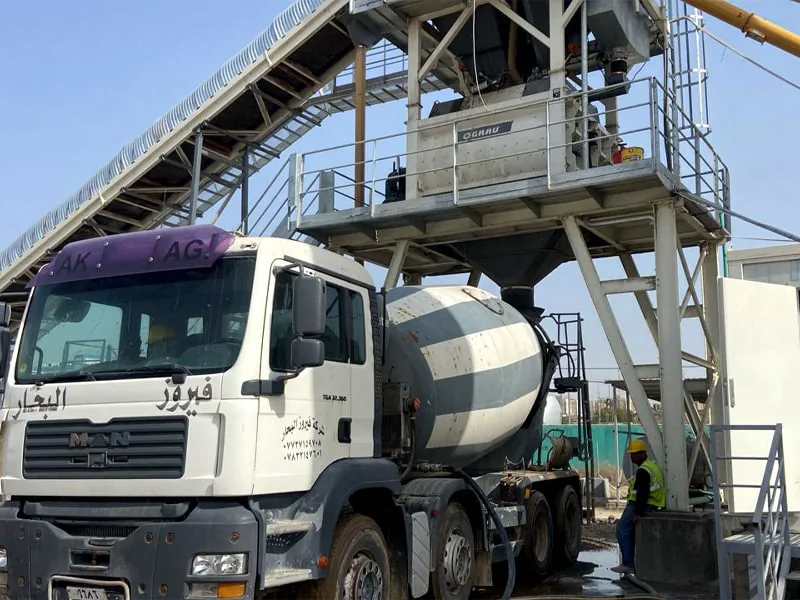
All GRAU mobile concrete plants come with wide service platforms and safe walkways fitted with handrails along the aggregate transfer belts. Conveyor belts are enclosed with cladding to help contain dust and reduce environmental impact, ensuring cleaner and safer operation on every site.
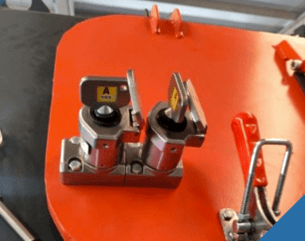
Improved Safety
All GRAU Concrete Mixers are equipped with STI Safety Locks. The operator can not open the mixer maintenance door without cutting off the main power and removing the key from the control cabinet. It provides a much better safety control for your personnel.
VIDEO
GALLERY
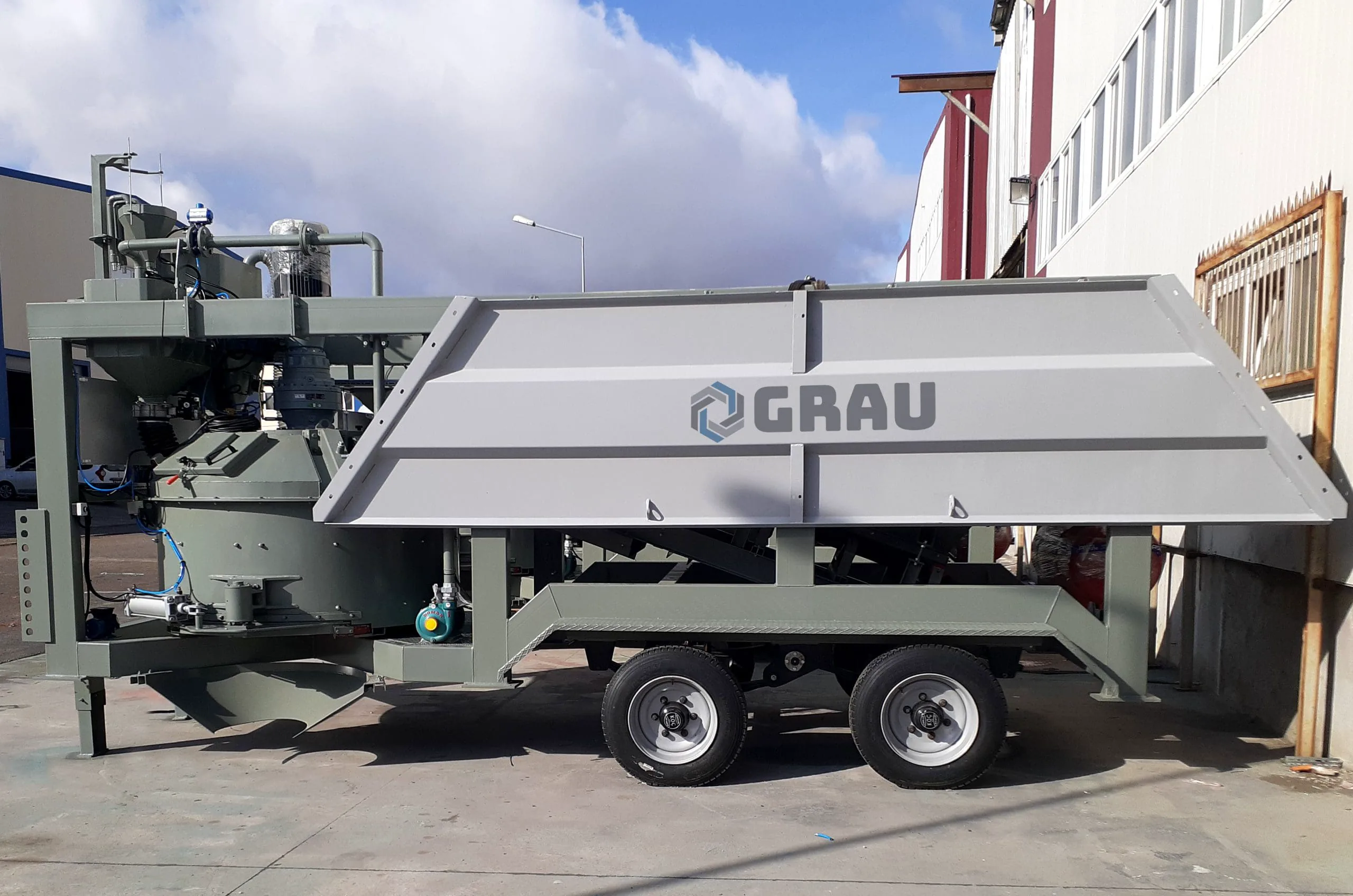
Product news
All news-
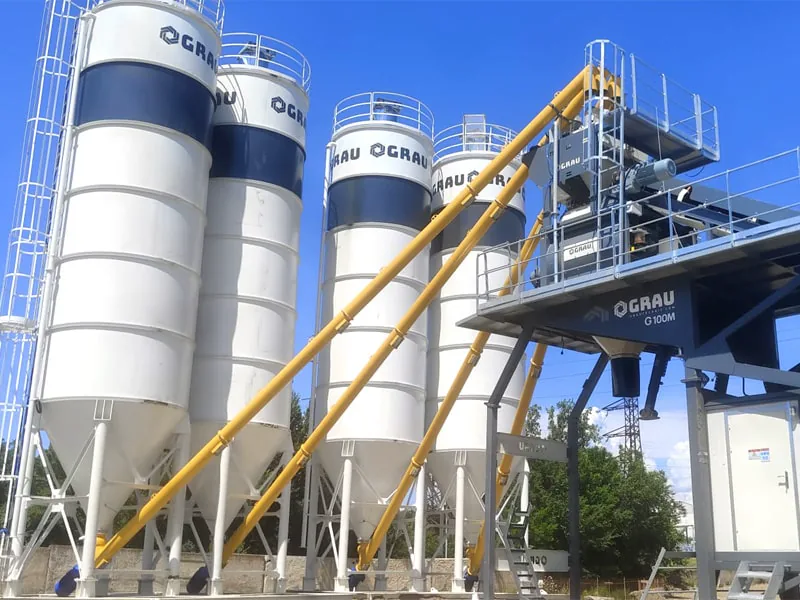 New GRAU G100M Mobile Concrete Batching Plant in Tbilisi, Georgia
- New Delivery - GRAU G100M Mobile Concrete Batch Plant
- Exciting News from Our Team! Another G100M Despatched!
-
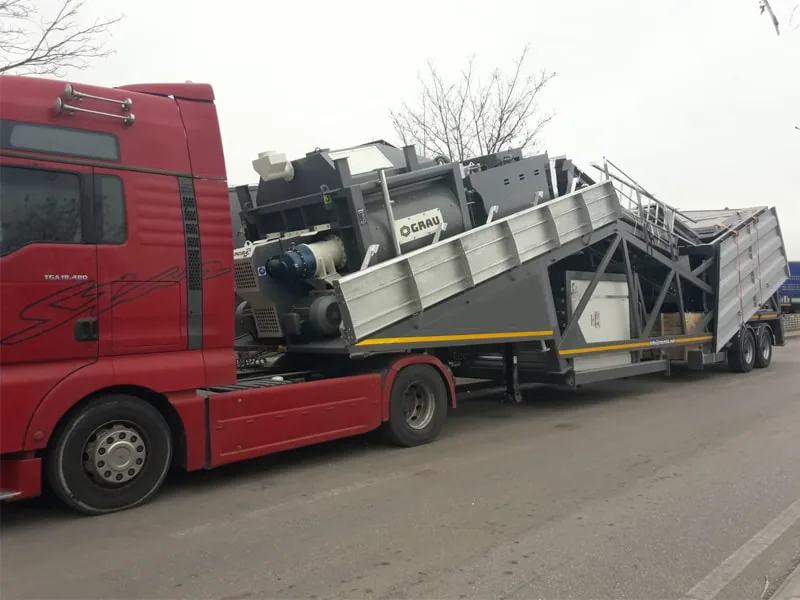 GRAU G100M Mobile Concrete Plant – Our Bestseller
-
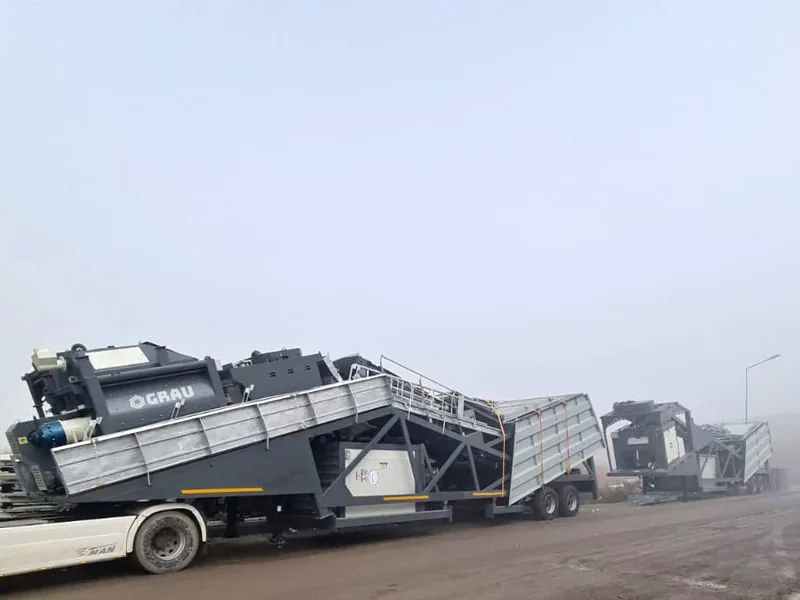 Great News! We have two Mobile Concrete Plants in Stock!
-
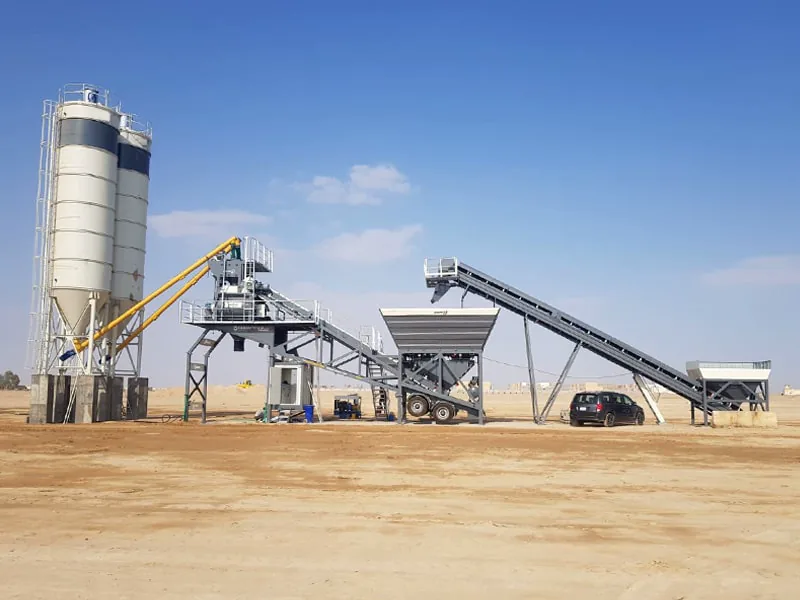 Another Concrete Plant for a Residential Project in Iraq
DOWNLOADS
Contact Us
GRAU Industries team is here to listen to your comments and suggestions.
Rest assured with GRAU's commitment to quality and customer satisfaction. With every GRAU product our customers get a comprehensive 12-month warranty against manufacturing defects. When you invest in a GRAU plant, you're not just purchasing equipment; you're investing in quality, knowledge, and experience. Our team of experts stands by our customers every step of the way, ensuring seamless operation and maximum productivity. Experience peace of mind knowing that GRAU is dedicated to delivering top-notch products and exceptional service. Our service team is always on hand to assist you, providing timely support and expertise whenever you need it. Choose GRAU for reliability, performance, and unparalleled customer service. Elevate your operations with confidence, backed by GRAU's unwavering Passion to do Better.